
ISSN 3085-9484
ISSN 3085-9484

ISSN 3085-9484
Artificial intelligence-assisted prediction of dental root position in maxillary segmental osteotomy planning: a technical note
Artigo
Introduction: Maxillary segmentation planning requires integration between surgeon and orthodontist, since it can cause damage to root structures and even extend into areas with low bone support. Artificial intelligence (AI) tools have shown to be promising in increasing the accuracy of virtual planning. Objective: This study evaluated an AI tool for root positioning in the planning of segmental maxillary osteotomies. Method: Eight patients submitted to Le Fort I segmentation for correction of dentofacial deformities were analyzed using computed tomography (CT). Automatic three-dimensional...
Authors: Cassio Edvard Sverzut, Alexandre Elias Trivellato, Samuel Macedo Costa, Bruna Campos Ribeiro,

Brazilian Oral and Maxillofacial Surgery has had a prominent position in the international scientific and clinical scenario for decades. This leading role is not accidental, but the result of continuous investment in academic training, university infrastructure, ethical commitment, and consistent scientific production, developed mainly within universities, with emphasis on their stricto sensu postgraduate programs. Contemporary clinical practice in Oral and Maxillofacial Surgery requires...
Read more
Dear colleagues, the presidency of the Brazilian College of Oral and Maxillofacial Surgery and Traumatology (CBCTBMF) is not a status symbol, but a commitment to service. Leading the CBCTBMF requires understanding that this is a collective construction, supported by the legacy of pioneers and constant renewal promoted by new generations of the specialty. Leadership is expressed in the coherence between talk and practice, in the sobriety of attitudes, and in the responsibility of each...
Read more
1. How was your career influenced by your father's professional trajectory? When I was a teenager, I would accompany my parents to lunches and dinners, and I would often meet someone who would talk to my father with some deference. My father was a pioneer, and nothing compares to a pioneer. Besides being a good professor, he was a very approachable person. So, this encouraged me. I started dental school without him ever telling me, “be a dentist” or “be a surgeon”. Among my father’s...
Read more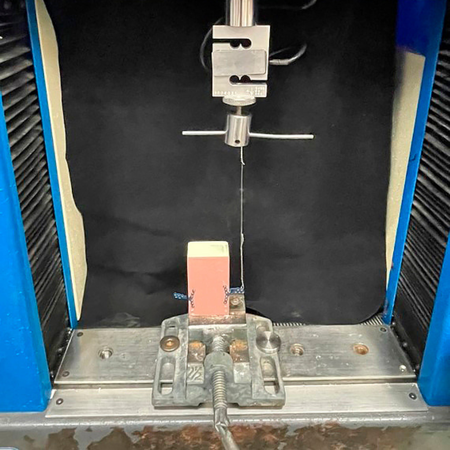
Introduction: The development of surgical procedures enables the successful treatment of several dentofacial deformities. Objective: This study evaluated the strength of two different types of titanium plates. Methods: The non-parametric Mann-Whitney test was applied to compare the variables, since data did not show homoscedasticity/normality. Two types of plates were tested: 10 Lindorf plates (pre-shaped for 4-mm advancement), with 11 holes from the 1.5mm system; and 10 L-shaped plates from...
Read more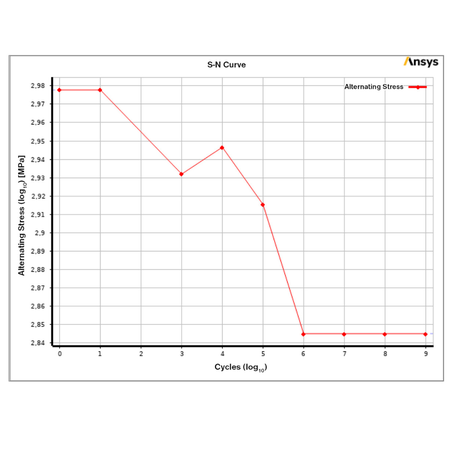
Introduction: The literature presents several studies focused on the evaluation of peri-implant bone biomechanics, indicating that complete mandibular fixed rehabilitations supported by three implants can be successfully performed. Objective: This in silico study aimed to evaluate the fatigue resistance of dental implant abutments in three configurations — three implants, four straight implants, and four implants in the All-on-Four system — made of Grade 4 titanium and Grade 4 hard...
Read more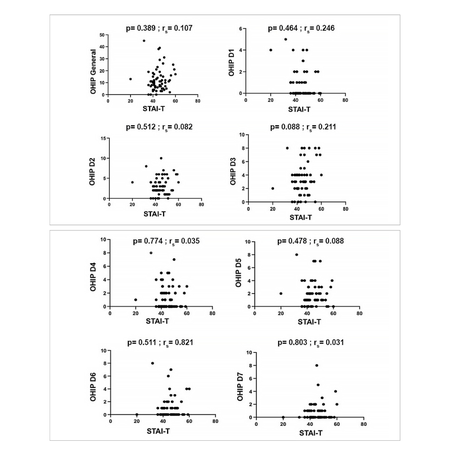
Introduction: Third molar extraction is a common oral surgery procedure and may negatively affect patients’ quality of life before surgery, particularly due to anxiety. Oral health-related quality of life and anxiety can be assessed using the Oral Health Impact Profile (OHIP-14) and the State-Trait Anxiety Inventory (STAI-T). Objective: This study aimed to evaluate the correlation between STAI-T and OHIP-14 in patients undergoing third molar extraction. Methods: A convenience sample of 66...
Read more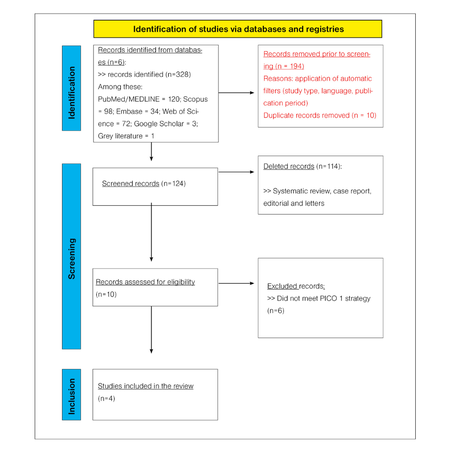
Introduction: Intravenous magnesium sulfate has been used as an analgesic adjunct in different surgical settings, due to its antagonistic action on N-methyl-D-aspartate (NMDA) receptors and modulation of neuronal excitability, potentially contributing to control the pain and reduce the opioid use in the postoperative period of orthognathic surgery. Methods: This systematic review was conducted in accordance with the PRISMA 2020 guidelines and registered in PROSPERO (CRD42024580418). The...
Read more
Introduction: Maxillary segmentation planning requires integration between surgeon and orthodontist, since it can cause damage to root structures and even extend into areas with low bone support. Artificial intelligence (AI) tools have shown to be promising in increasing the accuracy of virtual planning. Objective: This study evaluated an AI tool for root positioning in the planning of segmental maxillary osteotomies. Method: Eight patients submitted to Le Fort I segmentation for correction...
Read more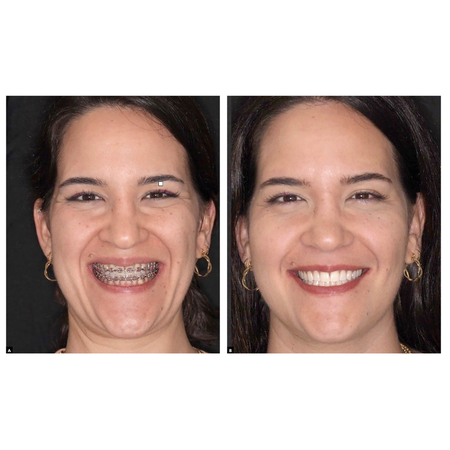
Introduction: Despite the significant advances in surgical techniques, virtual planning and multidisciplinary protocols, orthognathic surgery is still susceptible to unsatisfactory results, requiring surgical reintervention in some cases. Objectives: This case report describes the surgical, esthetic and functional rehabilitation of a patient who had already undergone orthognathic surgery, but did not achieve a good result from both aesthetic and functional standpoints. Case report:...
Read more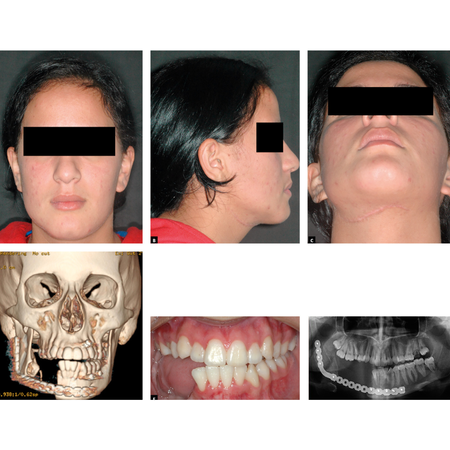
Introduction: Central giant cell granuloma (CGCG) is an uncommon intraosseous lesion of the jaws, accounting for less than 7% of all benign jaw tumors. It is suggested that there are aggressive or non-aggressive CGCGs. While non-aggressive CGCGs rarely recur, aggressive forms are associated with higher recurrence rates. Conservative approaches can lead to high recurrence rates. Objective: The aim of the study is to report a case of a 19 years old female, reported to the oral and...
Read more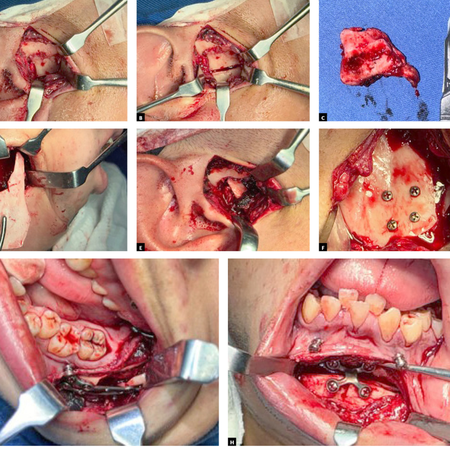
Introduction: Temporomandibular joint (TMJ) ankylosis is characterized by fusion of the mandibular head to the articular fossa, with trauma as main etiological factor. Treatment aims to restore mandibular function and anatomy, utilizing approaches ranging from alloplastic prostheses to autogenous grafts, such as the coronoid process. Objective: This study aims to report the case of a 21-year-old male patient with osseous ankylosis of the right TMJ, presenting with limited mouth opening (17...
Read more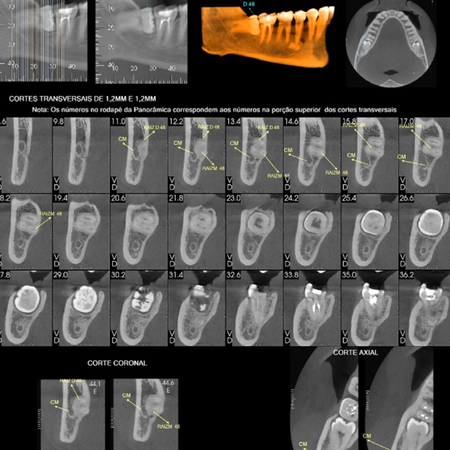
Introduction: A detailed understanding of the mandibular canal anatomy and its possible variations is crucial to prevent complications during dental procedures. The absence of a systematic approach to identify these variations may lead even experienced clinicians to overlook them, increasing the risk of nerve injury. Objective: This study reports four clinical cases in which the mandibular canal showed an intimate relationship with the roots of third molars and presented an atypical pathway,...
Read more
Introduction: Odontogenic keratocyst (OKC) is a cystic lesion with aggressive behavior and high relapse rate. In pediatric patients, surgical management requires conservative approaches, to reduce morbidity and preserve bone growth. Objective: This is an observational and descriptive case report, performed during clinical, radiographic, and tomographic follow-up of a pediatric patient diagnosed with OKC in the mandible. Case report: Treatment was performed in two stages: decompression of the...
Read moreCopyright © 1998 - 20225 | All rights reserved. is a Dental Press brand